

Use to summarize this article


- The event: TechSparks 2026, the 17th edition of YourStory’s summit, ran October 13 to 15 at Taj Yeshwantpur, Bengaluru, under the theme “The New Tech Order.”
- What came up: AI as infrastructure, trust and governance, building for global buyers and a new wave of deeptech founders.
- Who we met: Flowtrix’s Growth Manager Nishant met teams including Qapitol QA, Condense by Zeliot, Oppex AI, Proshort, TeleCMI, Qapita, VeloDB and Airbound.
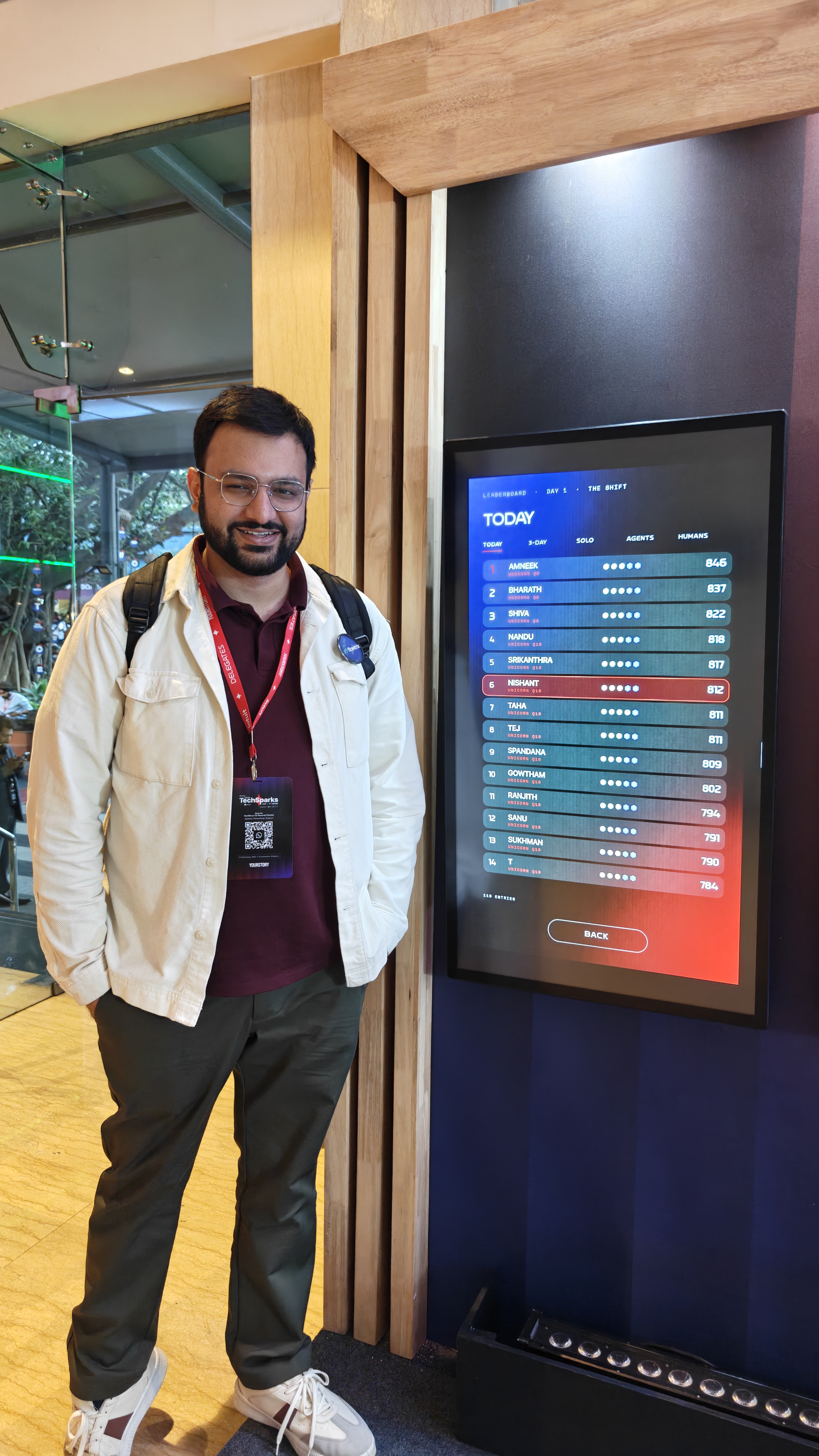
- The games: Nishant reached unicorn status in Order of One and finished sixth on the Day 1 leaderboard out of 110 entries.
- The takeaway: people remember what they take part in, and B2B websites that explain complex products clearly win more attention.
TechSparks 2026 brought founders, investors, policymakers and product teams together in Bengaluru under the theme “The New Tech Order.” The big question for three days: who gets to build the next generation of technology, and how fast can it reach people?
Our Growth Manager, Nishant, attended on October 13 and 14. He explored demos, met product teams and played a few of the games on the floor. This guide covers what TechSparks is, what came up on stage, the teams we met, what the games taught us and what it all means for B2B websites.
What is TechSparks?
TechSparks is YourStory’s flagship startup and technology summit. YourStory, founded in 2008 by Shradha Sharma, launched it in 2010, and it has grown into one of India’s best-known tech ecosystem platforms. Past speakers include Nithin Kamath, Deepinder Goyal, Nirmala Sitharaman and Steve Wozniak.
It is also home to Tech30, YourStory’s annual list of promising early-stage startups. By 2024, Tech30 had recognised more than 350 startups, with alumni including Freshworks, Innovaccer and Chargebee.
TechSparks 2026 at a glance
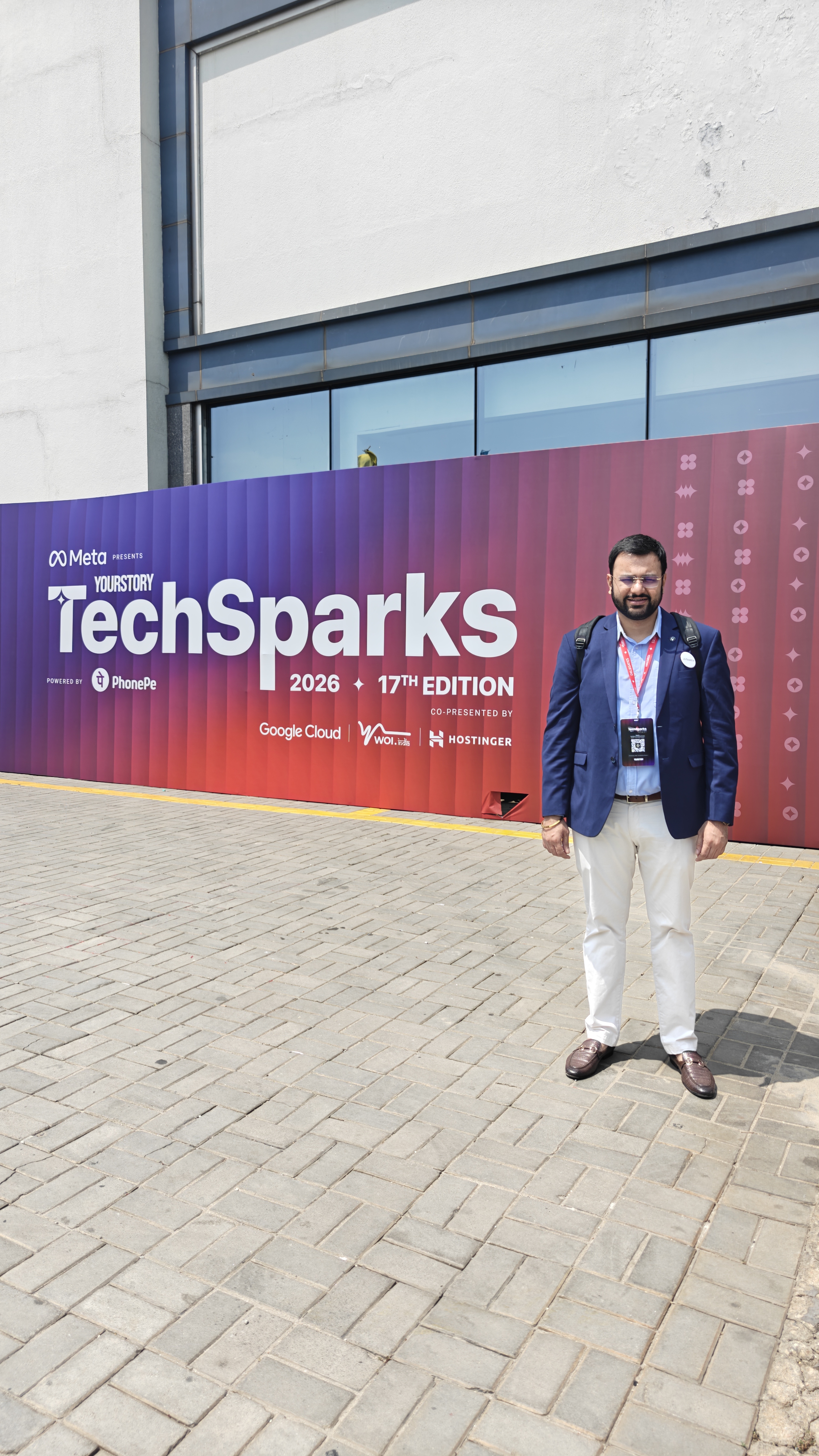
The 17th edition ran from October 13 to 15 at Taj Yeshwantpur, Bengaluru. The event’s published overview described more than 10,000 attendees, 500+ speakers, 300+ investors and 200+ startups. YourStory’s Day 1 welcome note put the number of startups at around 1,000.
| Detail | TechSparks 2026 |
|---|---|
| Edition | 17th |
| Dates | October 13 to 15, 2026. Nishant attended October 13 and 14. |
| Venue | Taj Yeshwantpur, Bengaluru |
| Organiser | YourStory |
| Theme | The New Tech Order |
| Scale | 10,000+ attendees, 500+ speakers, 300+ investors, 200+ startups |
| Formats | Keynotes, fireside chats, panels, masterclasses, workshops, live demos, startup exhibits, networking |
| Named programmes | Tech30, VibeCode30, LIVE Sparks, Action Labs |
Partners: Meta presented the event and PhonePe powered it. Google Cloud, WOI India and Hostinger were co-presenting partners. More on the official TechSparks 2026 website.
What “The New Tech Order” was about
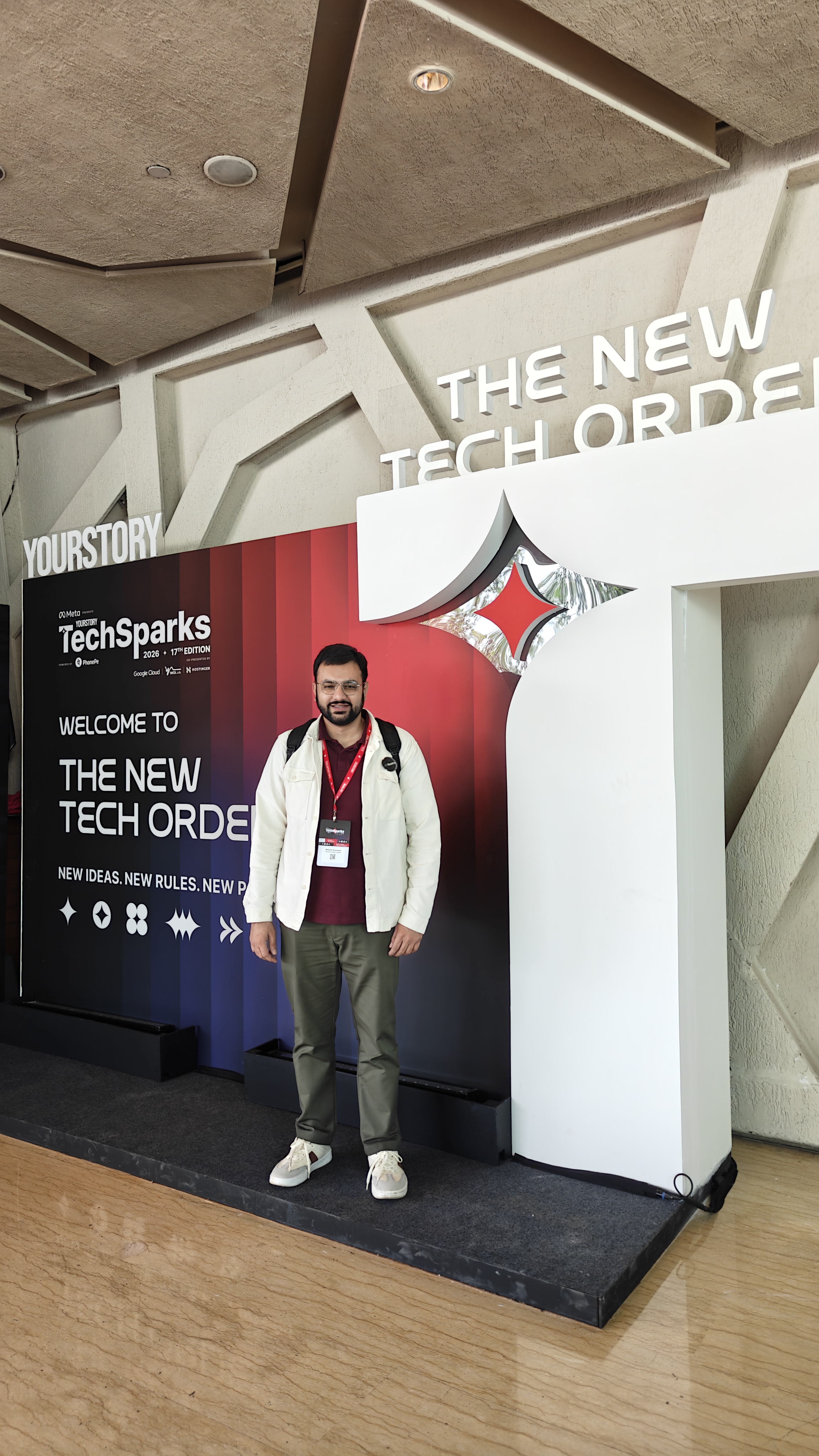
The theme framed AI, deeptech, compute, chips, data and digital infrastructure as forces reshaping the technology landscape. Each day had its own focus:
- Day 1, The Shift: power and control in tech, including AI as infrastructure, chip supply chains, data ownership and India’s place in the global tech economy.
- Day 2, The Builder: turning ideas into systems, from taking AI to production to building in semiconductors, biotech, climate and spacetech.
- Day 3, The Impact: what technology changes in the real world, across jobs, education, healthcare and services at population scale.
Five themes from YourStory’s published coverage
These themes come from YourStory’s Day 1 and Day 2 reporting. They connect directly to how technology companies communicate.
AI is becoming infrastructure, not a feature: Zoho’s Sridhar Vembu argued that India should prioritise foundational infrastructure over heavy GPU spending, and said Zoho is moving engineers into deeptech hardware. “AI-powered” no longer explains anything. Companies need to say what the intelligence does and where it sits in the workflow.
Trust and governance drive adoption: PhonePe’s Sameer Nigam said fintechs must combine technology-company speed with banking-grade governance, with roughly 130-140 external audits a year. On Day 2, Karnataka minister Krishna Byre Gowda made a related case for technology improving governance. A website needs evidence of trust, not just logos.
Experimentation is changing how products reach customers: Hostinger’s VP of Product, Auksė Žirgulė, spoke about AI making website creation more accessible. When anyone can launch a site quickly, clarity and distinctiveness matter more.
Build for the world from day one: Stripe India’s Manish Maheshwari said Indian founders no longer need to establish themselves at home before expanding internationally. A website built for global buyers has to make sense to someone who has never heard of the company, in the first few seconds.
Deeptech is bringing new kinds of founders and products: On Day 2, venture capitalists on a deeptech capital panel said the ecosystem is producing new kinds of founders and bold ideas. Deeptech products are often the hardest to explain, so clear communication is part of a product’s chance of being understood and funded.
The teams and products we explored
A short product walkthrough tells you more than any pitch deck: the customer problem, the workflow and what makes a solution different. Many of the teams Nishant met were also on the TechSparks partner wall.
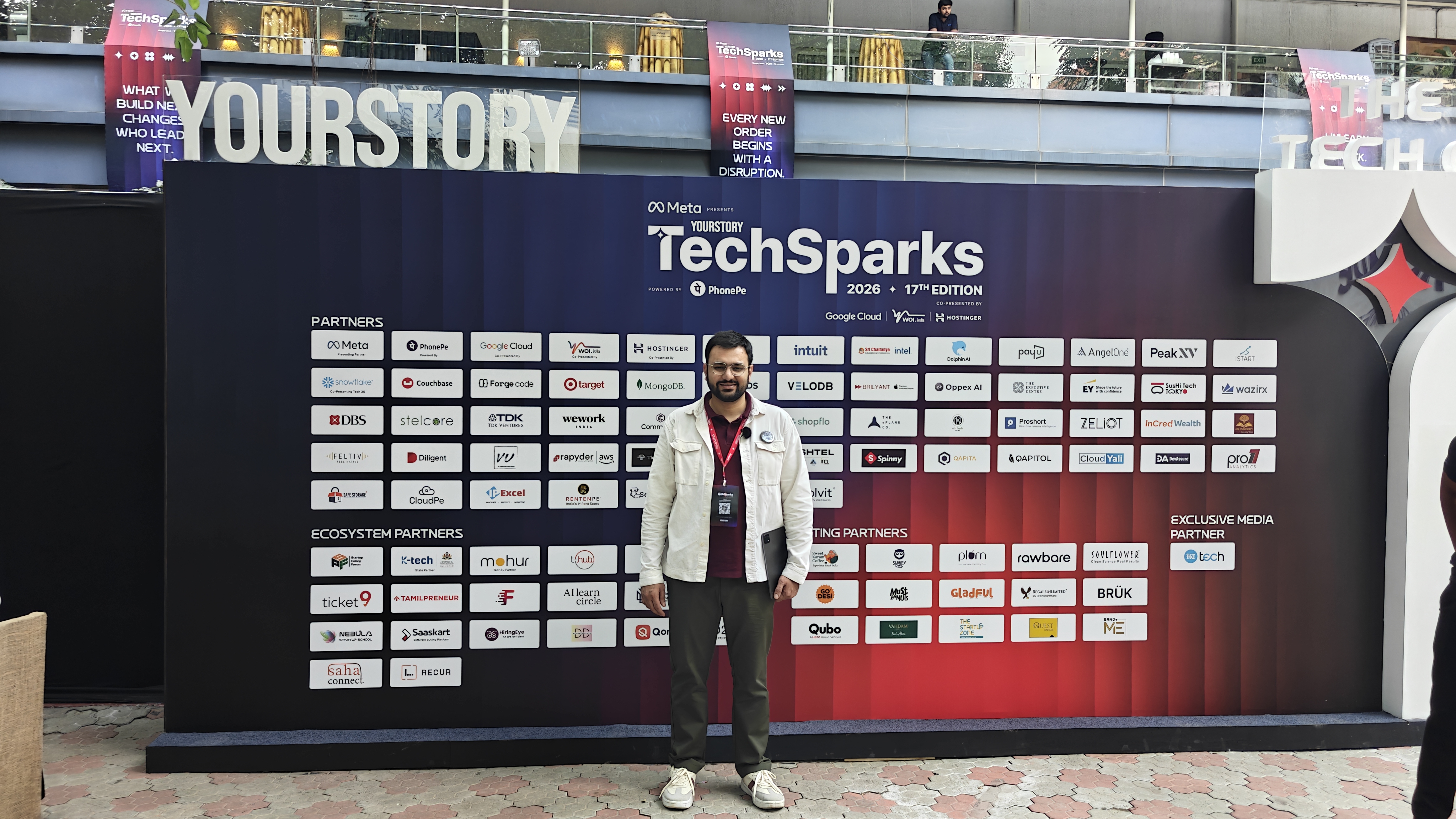
Qapitol QA: testing the moments that matter
Qapitol, a Bengaluru company founded in 2015, does quality engineering and test automation for mobile apps, web apps, point-of-sale systems and payment flows. These are products where a small failure can break a purchase or a transaction, so the goal is to catch problems before users do.
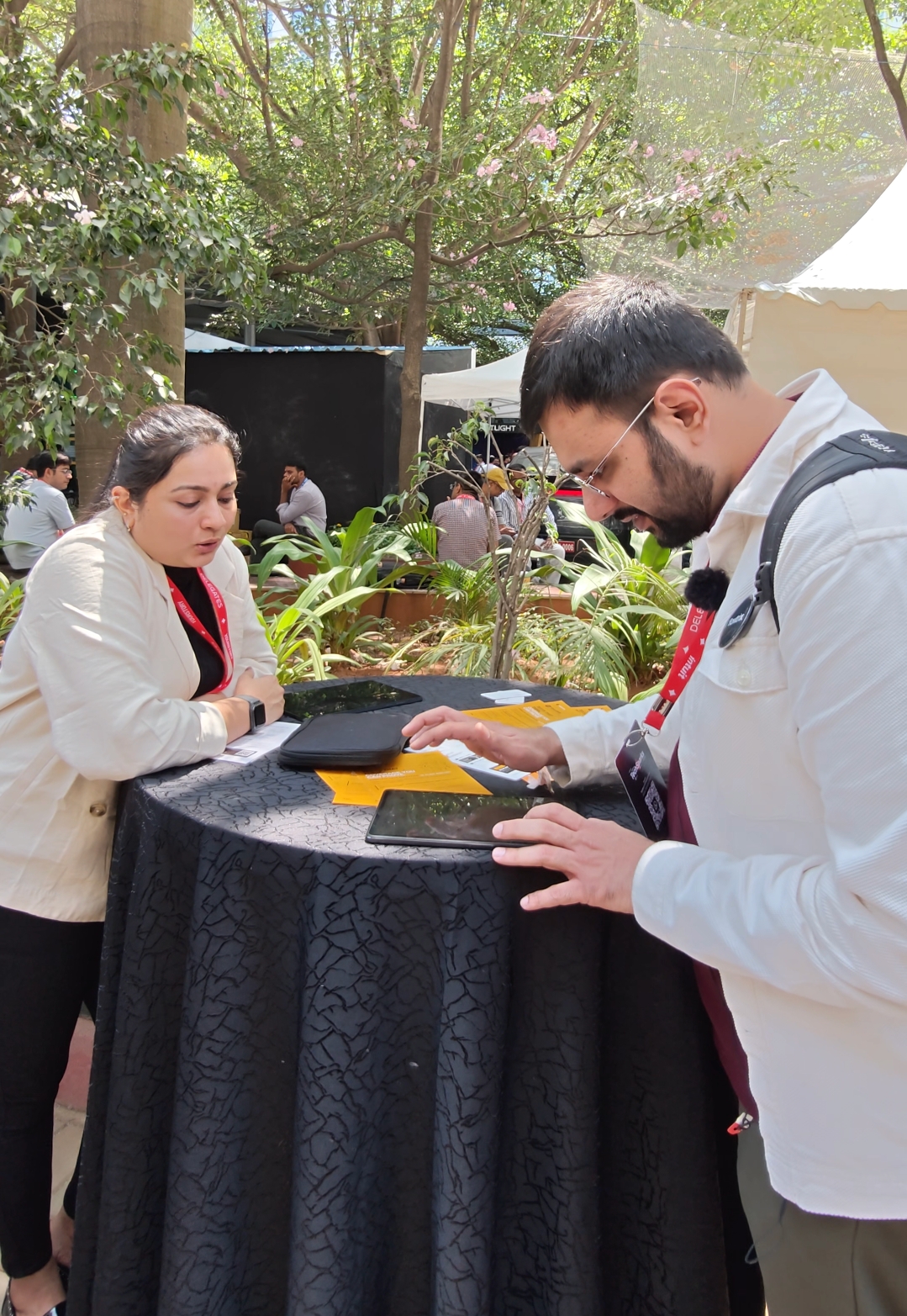
Condense by Zeliot: easier real-time data streaming
Condense simplifies real-time data streaming. It is built on Apache Kafka and runs inside the customer’s own cloud account, so companies keep control of their data while Zeliot manages the platform. The team also builds Vapr AI, an assistant that helps teams build streaming pipelines faster.
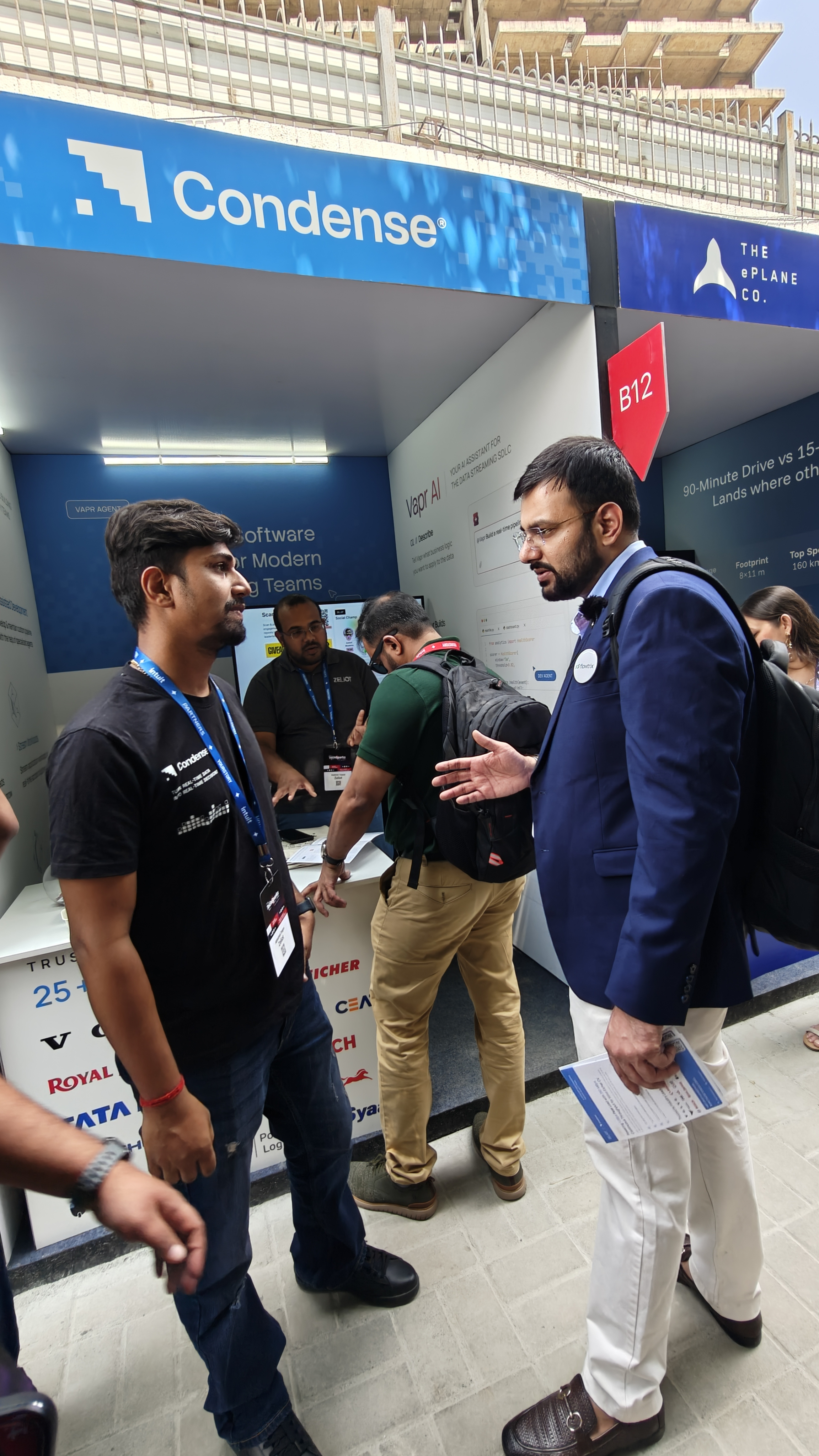
Oppex AI: finding the root cause behind the alerts
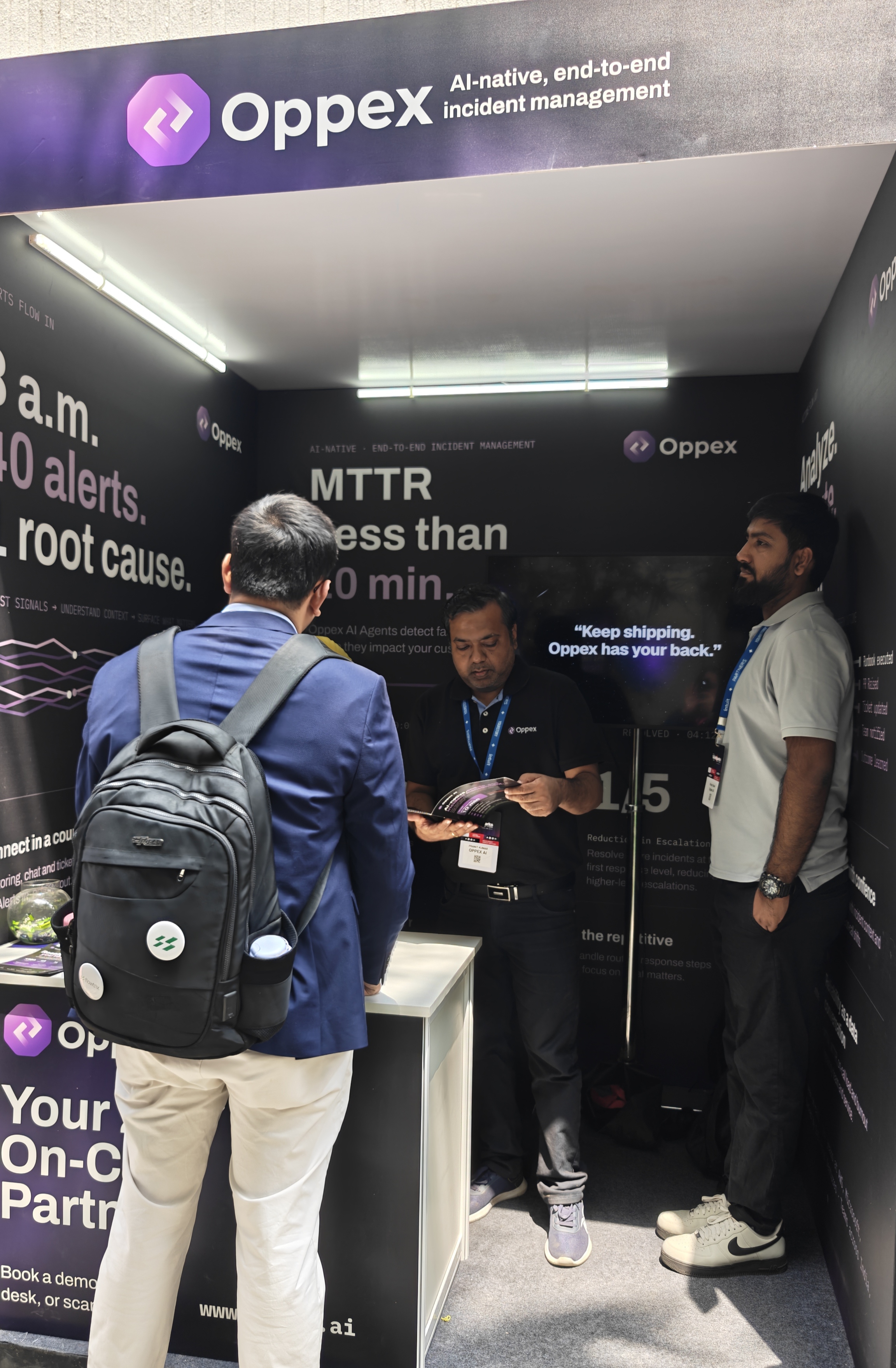
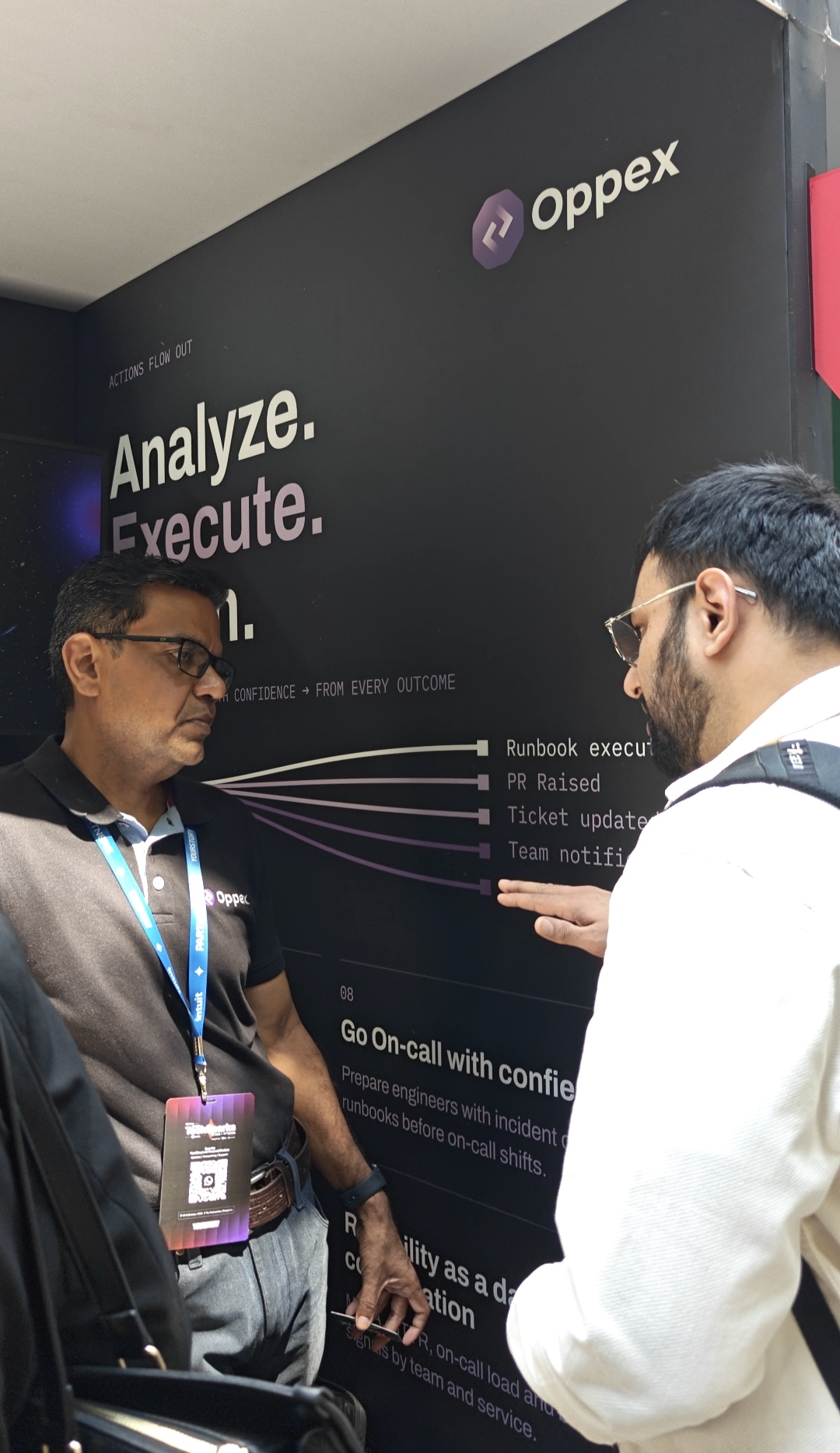
Oppex AI focuses on incident management. Its AI agents help on-call engineers cut through alert noise and find the likely root cause faster, pulling context from observability tools, cloud infrastructure, support tickets and runbooks. Oppex AI also hosted one of the Day 2 executive roundtables.
Proshort: AI tools for sales teams
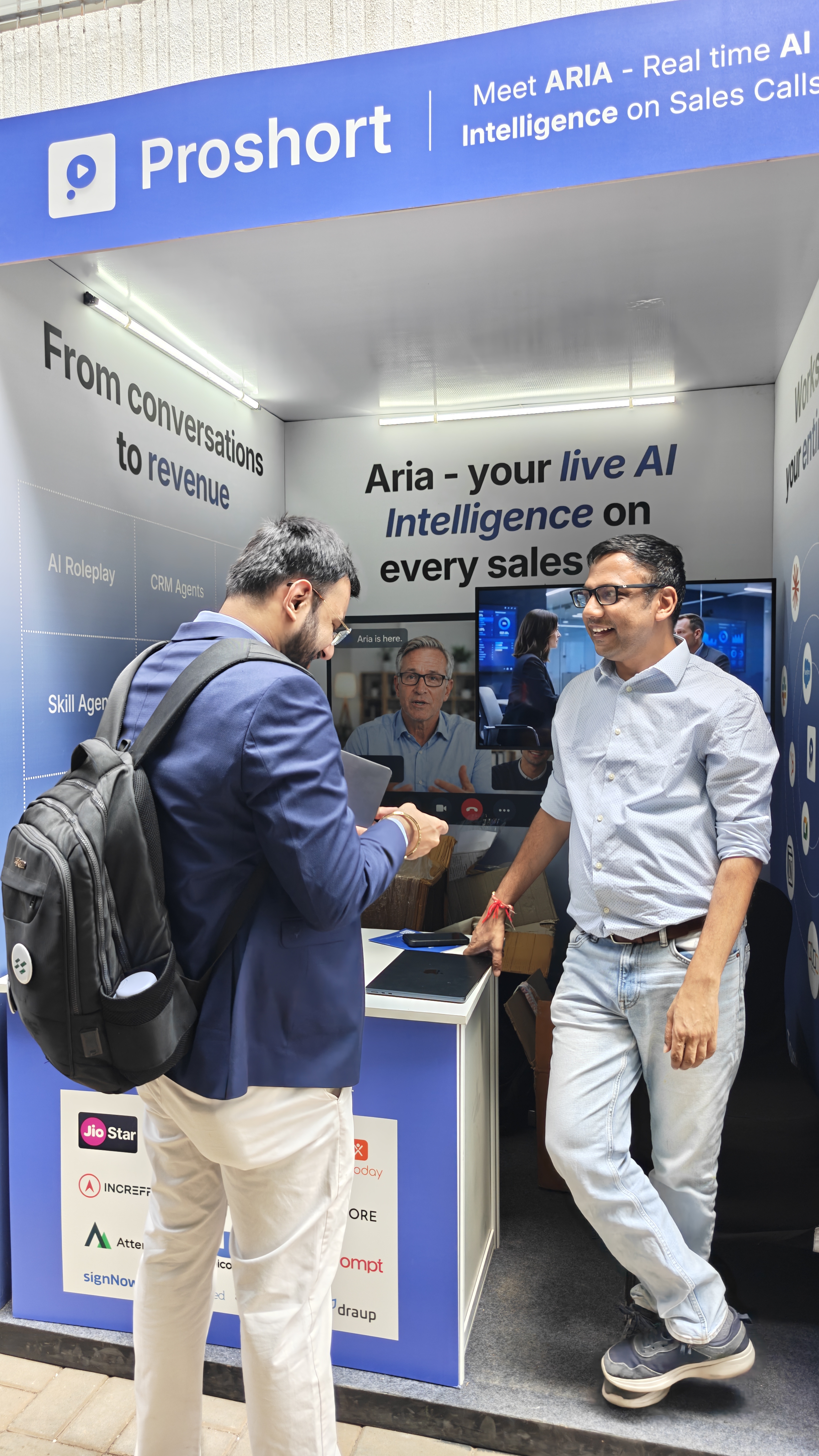
Proshort builds AI products for sales teams, including Aria, a live AI assistant for sales calls, plus AI roleplay and CRM agents. The idea is to learn from what top reps do well and bring that to the rest of the team.
TeleCMI: bringing AI and human agents together
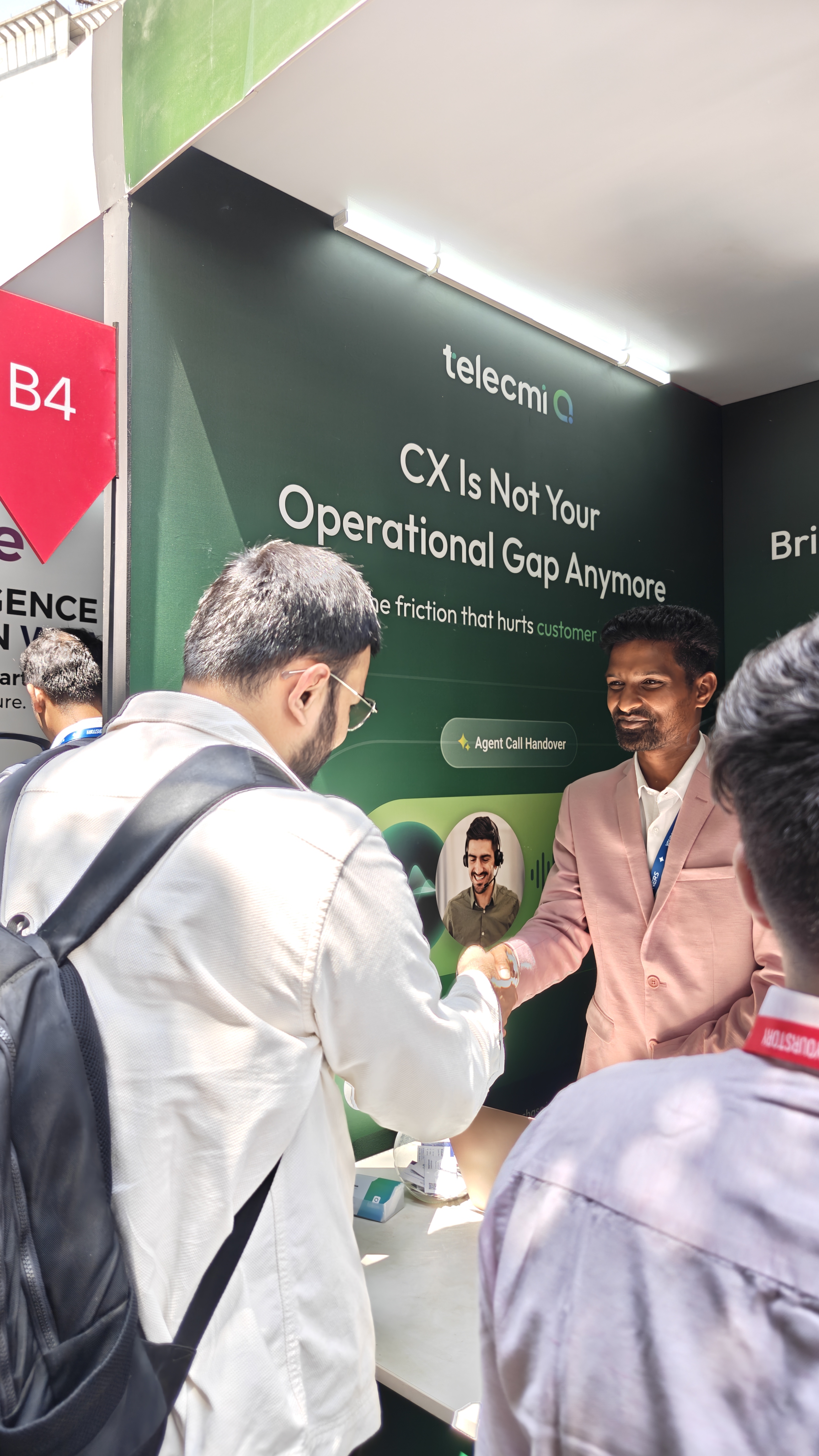
TeleCMI offers cloud telephony and contact-centre tools that bring calls, SMS and WhatsApp into one dashboard. The interesting part is how AI and human agents share the same customer conversation, with smooth handovers when a customer needs a person.

Qapita: managing equity and employee ownership
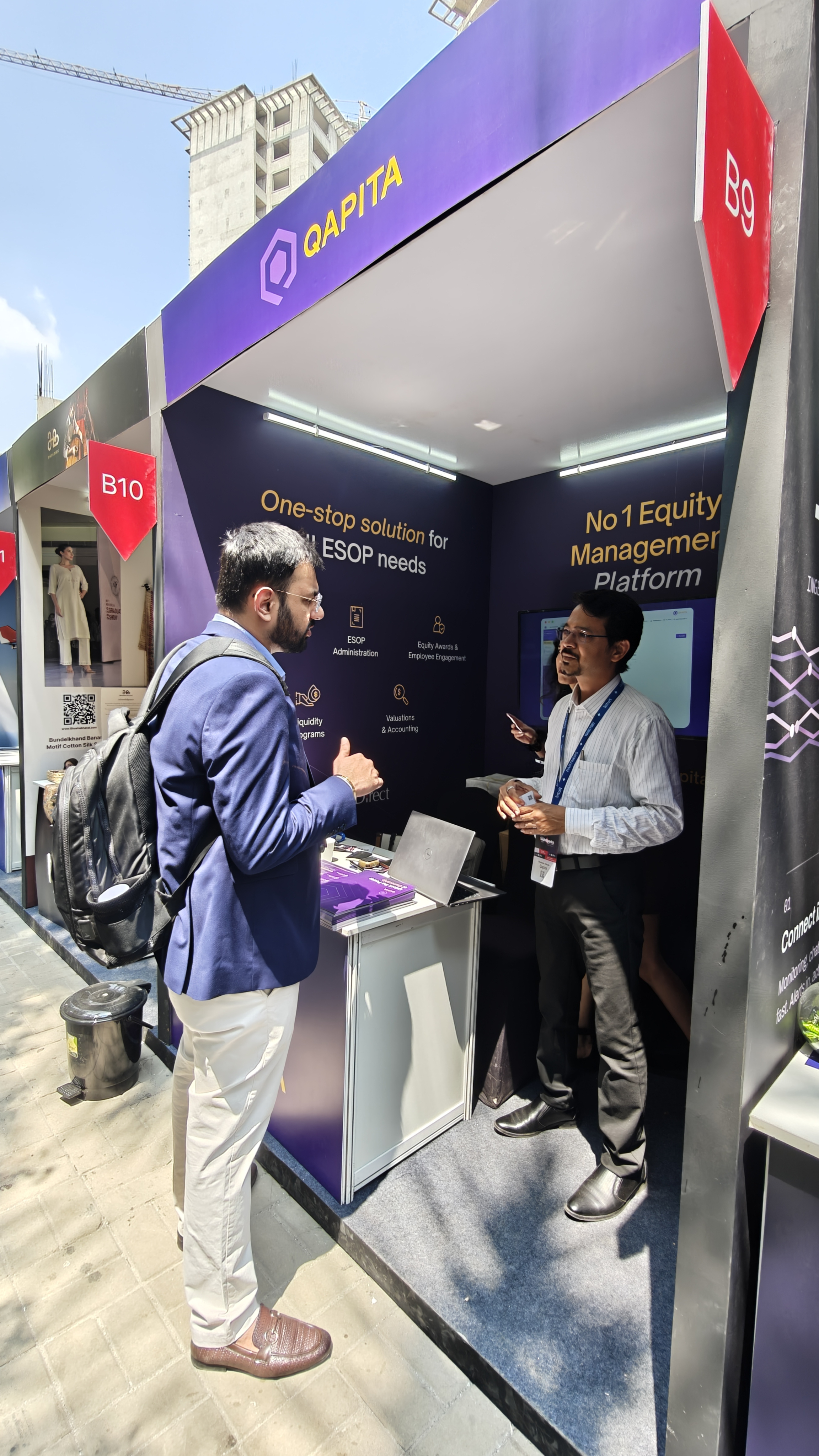
Qapita helps private companies manage ESOPs, liquidity programmes and valuations, from early-stage startups to late-stage businesses across India and Southeast Asia.

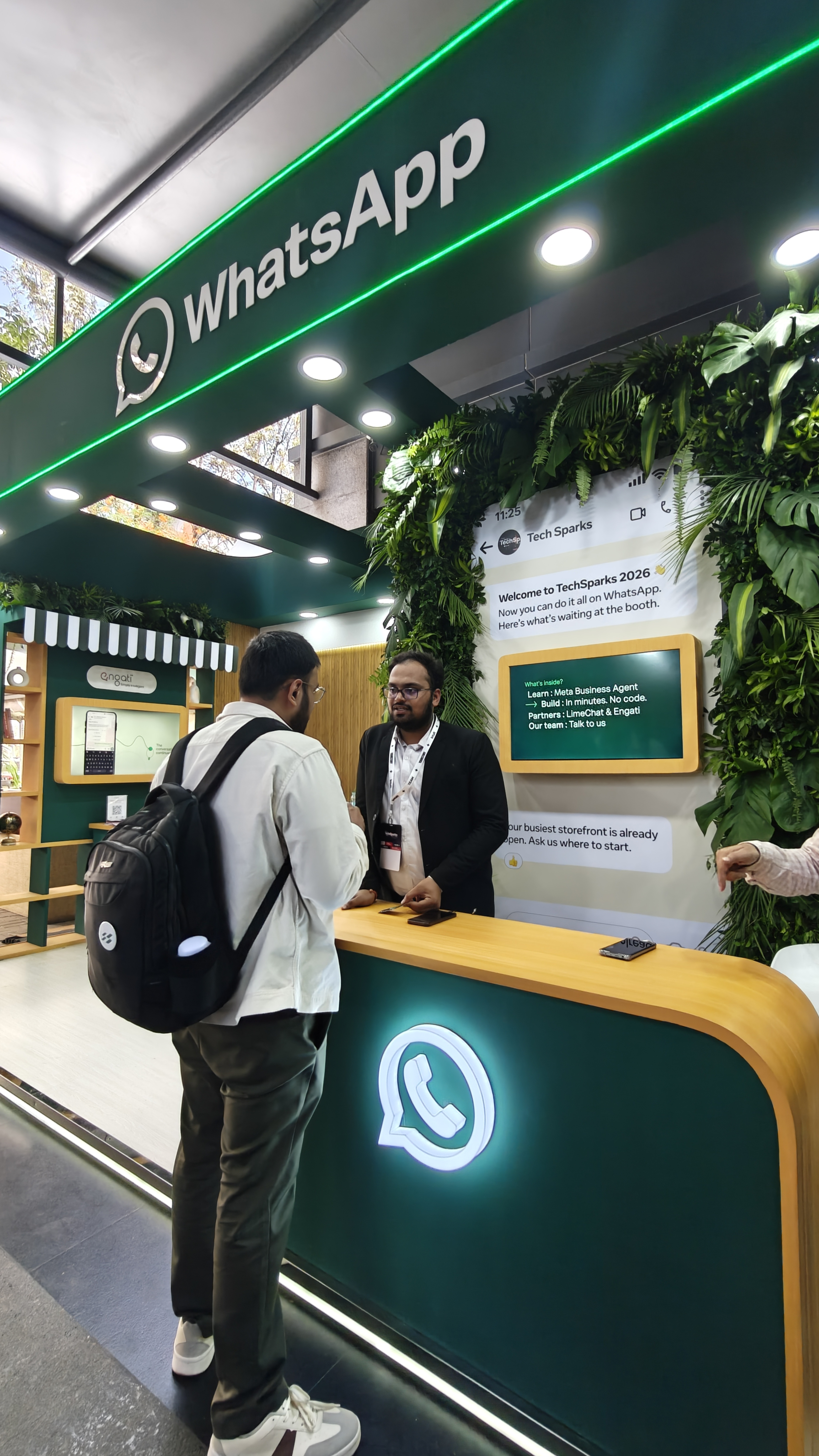
LimeChat and WhatsApp Business
LimeChat builds AI agents that handle customer conversations across WhatsApp, chat and voice. It was one of the partners at the WhatsApp Business booth, where Meta’s pitch was simple: “Your busiest storefront is already open.”
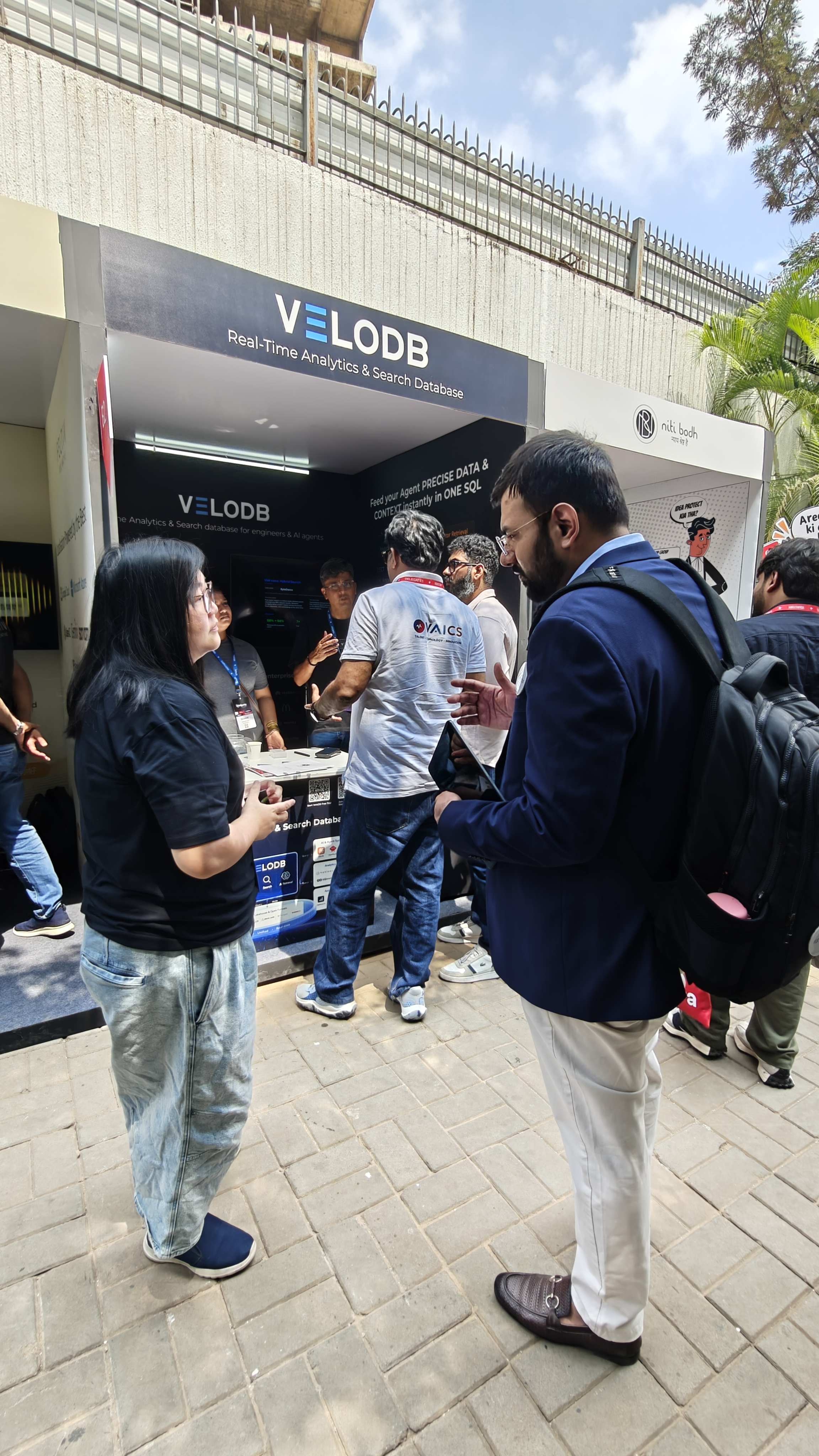
VeloDB: real-time analytics on Apache Doris
VeloDB offers a commercial real-time analytics warehouse built on Apache Doris, founded by original Doris contributors. Its Co-founder and Tech VP, Matt Yi, was also among the Day 2 speakers.
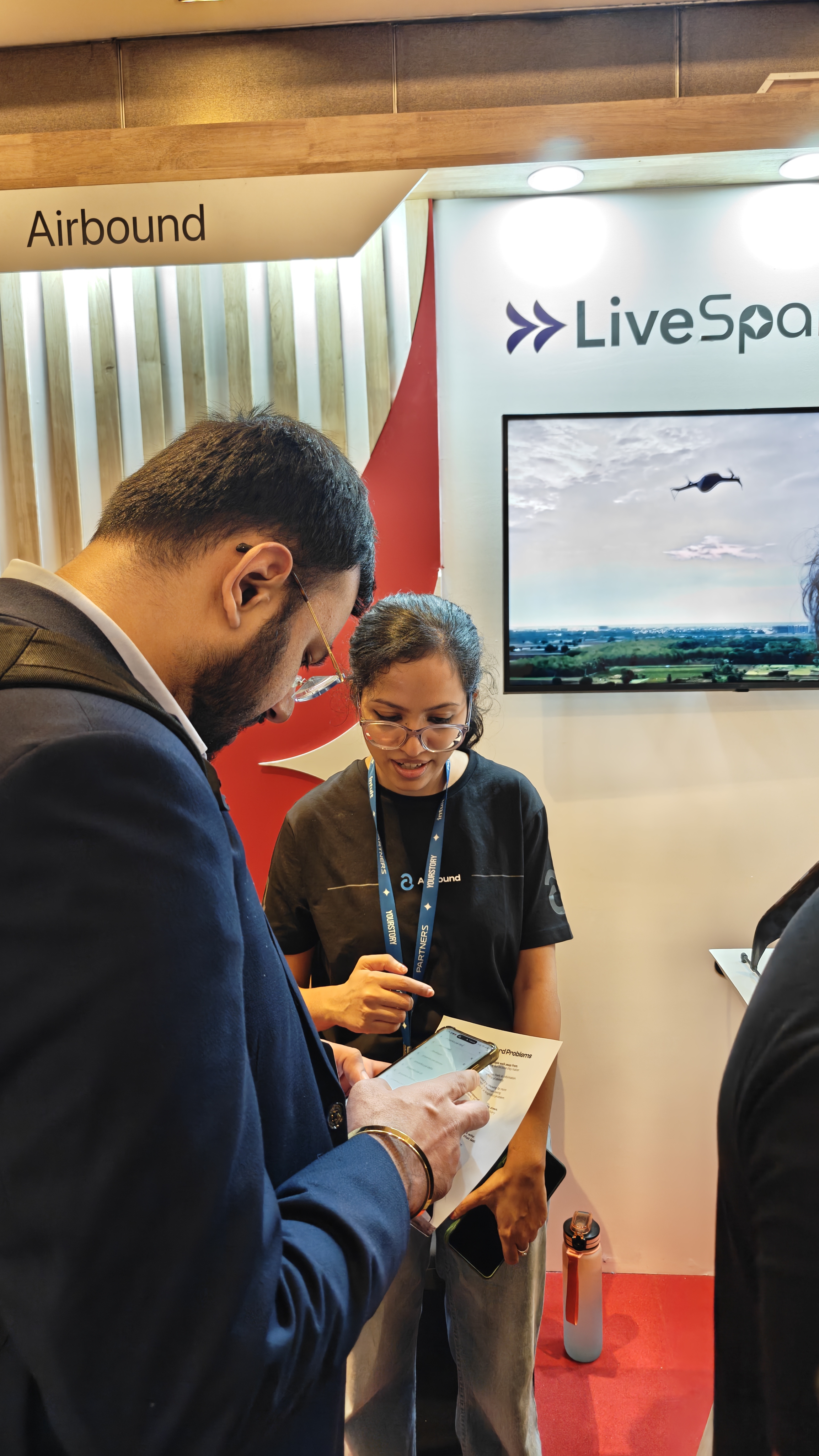
Airbound: self-flying aircraft for delivery
Airbound, a Bengaluru deeptech startup, builds self-flying delivery aircraft that take off vertically like a drone and fly like a fixed-wing plane. According to Nishant’s event notes, it had completed more than 1,000 autonomous flights carrying diagnostic samples with Narayana Health.
The company raised a $37 million Series A in 2026 and is working towards a commercial delivery network.
Nishant also met the ForgeCode team (an open-source AI coding agent for the terminal, built by Tailcall), Hostinger and Rapyder, a Bengaluru cloud services company working with AWS.
The games between sessions
Order of One: can you build a unicorn?
Order of One was a touchscreen startup simulator. You run a company for 10 quarters, chasing a $1 billion valuation while managing cash, trust, morale and bandwidth. Every quarter brings a dilemma, like “Rebuild it all? Engineers want a full rewrite.”
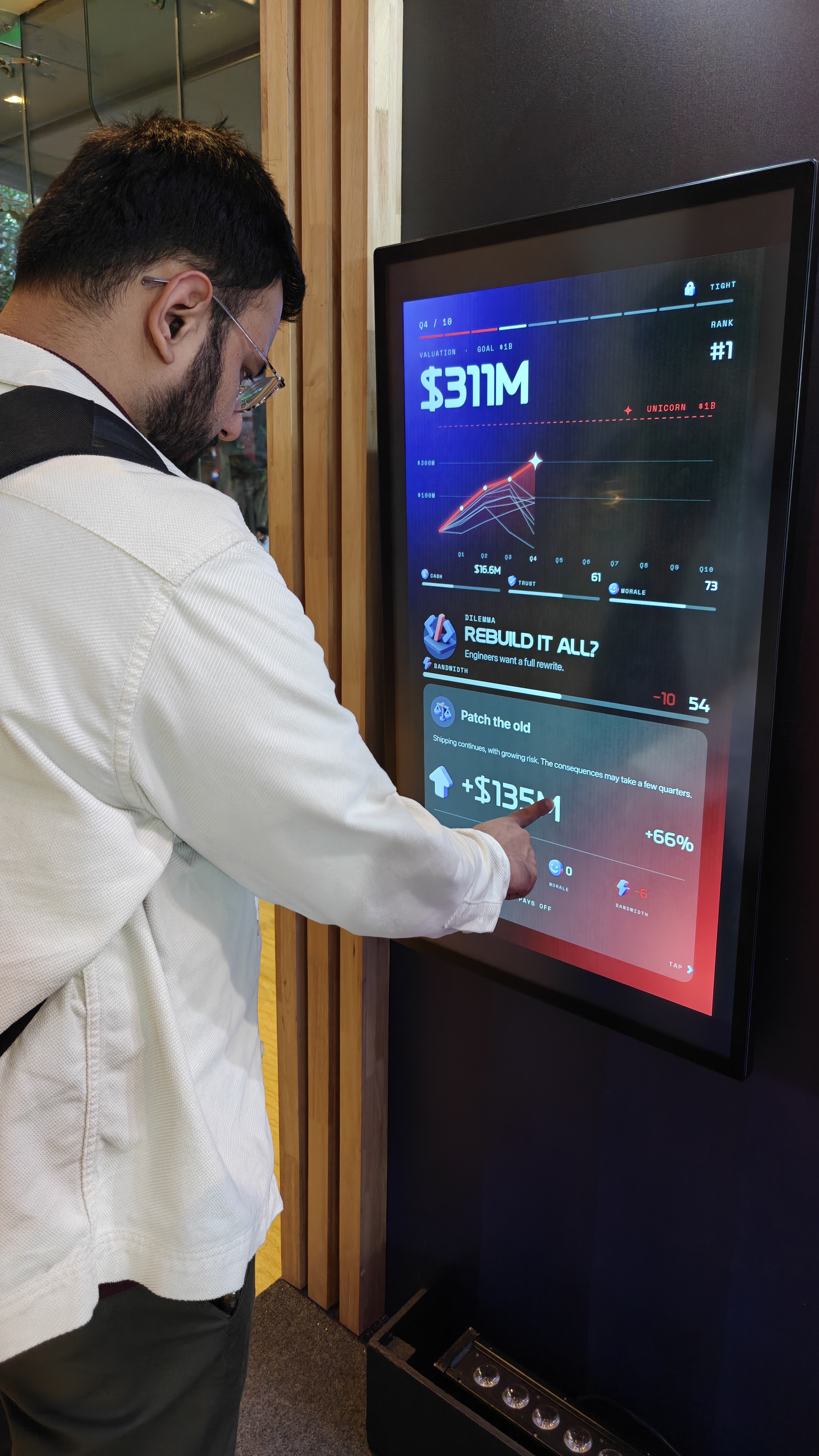
Nishant reached unicorn status by Q10 and finished sixth on the Day 1 leaderboard with 812 points, out of 110 entries.
WordSparks: a crossword built from tech
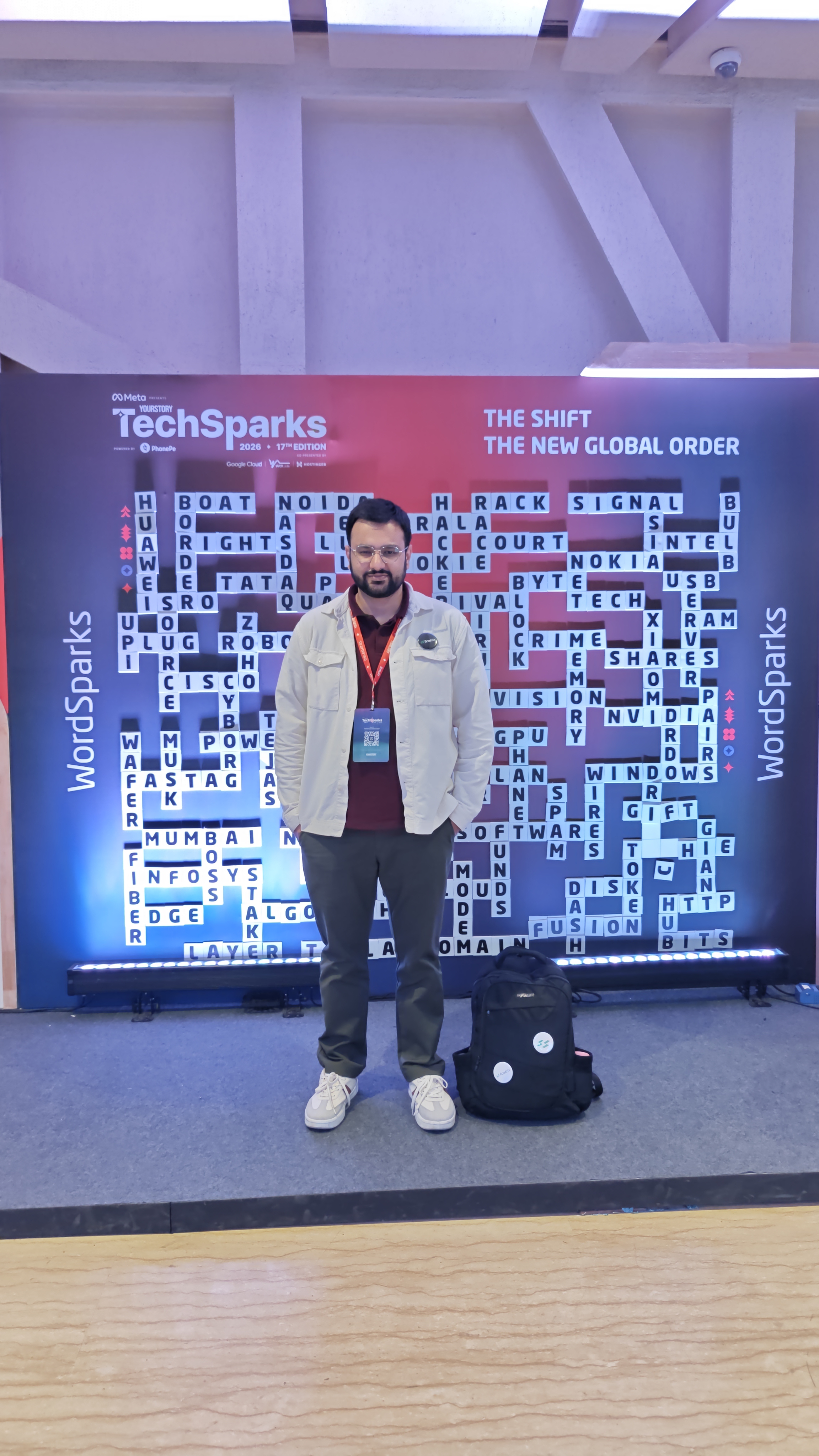
WordSparks was a wall-sized crossword made of tech words, from NVIDIA and ISRO to FASTAG, INFOSYS and UPI.
What the games taught us
People remember experiences they take part in. Order of One worked because it had a clear goal, a score that moved with every decision and a public leaderboard. Many B2B companies already use the same ingredients:
- Salesforce Trailhead: turns product training into badges, points and ranks.
- HubSpot Academy: offers free courses that end in certifications people add to their profiles.
- Asana: sends a celebration creature, sometimes a unicorn, across the screen when you finish a task.
On B2B websites, that looks like assessment quizzes, ROI calculators, progress bars on longer forms and interactive product demos.
What TechSparks made us think about at Flowtrix
Every team we met was solving a different problem, but each had to explain a complex product to the people who might buy it. That is where a website stops being a brochure.
- Explain the product quickly: visitors should get what it does without decoding internal terms.
- Make the audience clear: show who it is for and which problem it solves.
- Connect features to outcomes: show how the product changes a workflow or a decision.
- Show the product in context: screens, demos and use cases make technical value easier to grasp.
- Build confidence: clear structure, credible proof and consistent messaging help buyers evaluate.
- Support discovery across search and AI tools: clear structure and specific language help both people and machines understand what you offer.
The “Rebuild it all?” dilemma stuck with us. Growing B2B companies ask the same thing about their websites: patch what is there, or start fresh?

At Flowtrix, we work with B2B technology companies on branding, website strategy, design, development, and search and AI visibility. You can see some of that work in our case studies.
A practical checklist for B2B tech teams
Building a SaaS, AI, data, fintech or deeptech company? Use these questions to check whether your website is helping people understand your product:
Is your website helping people understand your product?
- Can a first-time visitor explain what we do after reading the hero section?
- Do we clearly name the audience and the problem we solve?
- Can people see the product in action through a demo, screenshots or a workflow?
- Do our pages explain outcomes, not just features?
- Do we have proof that reduces risk for a buyer, such as customer stories, integrations or measurable results?
- Can visitors find the right next step, whether that is booking a demo, exploring a use case or contacting the team?
- Is our content structured so search engines and AI-powered discovery tools can understand the product and its use cases?
- Do we give visitors something to do, such as a calculator, an interactive demo or an assessment, and not just something to read?
Nishant’s LinkedIn post from TechSparks
Nishant shared his own recap from the event. View it or continue the conversation below.
Thank you, TechSparks
Thank you to every team that walked Nishant through their product, and to YourStory for bringing the startup community together. If we met at TechSparks and have not connected yet, we would be glad to stay in touch.
Sources
- TechSparks 2026 official website
- YourStory: TechSparks 2026 Day 1 recap
- YourStory: Tech can improve governance, says Krishna Byre Gowda
- YourStory: TechSparks 2026 Day 2 agenda
- The Week: TechSparks history and Tech30 alumni
- YourStory: Airbound raises $37M
- VeloDB: About
- LimeChat
FAQ’s
Quick answers about TechSparks 2026, the teams Flowtrix met and what the event means for B2B websites.